Proactive Care Coordination: Closing Gaps, Elevating Outcomes, and Maximizing Value-Based Revenue
Proactive care coordination is more than a buzzword—it’s the key to closing care gaps and improving both patient outcomes and your bottom line. You’ve likely faced the frustration of missed quality measures and underused reimbursement opportunities. What if your team could identify those gaps early and act without disrupting daily workflows? MedHarmony’s approach helps you do just that, boosting clinical performance and value-based revenue in ways your current system may not support. Learn more here.
Enhancing Clinical Outcomes
To truly enhance patient outcomes, proactive care coordination is essential. This approach not only improves health metrics but ensures a more personalized patient journey.
Proactive Care Coordination Benefits
Imagine a world where your team identifies care gaps before they widen. Proactive care coordination makes this possible. With data-driven insights, you can address patient needs promptly, preventing complications. This means better patient satisfaction and healthier outcomes.
Consider a practice that adopted proactive strategies. They saw a 20% reduction in emergency visits. This success came from timely interventions and regular patient check-ins. By focusing on prevention, they improved overall health metrics.
For those looking to adopt this approach, collaborate with a partner like MedHarmony. They offer tailored solutions, aligning with your existing workflows. Dive deeper into the benefits of proactive care by exploring this comprehensive guide.
Effective Care Gap Closure Strategies
Closing care gaps effectively is more than just a goal; it’s a necessity. By using targeted strategies, practices can enhance their care delivery and patient trust. Start by identifying high-risk patients using predictive analytics. This allows you to allocate resources where they matter most.
Next, integrate a robust follow-up system. Regular check-ins ensure no patient is left behind. A study showed practices that followed up with patients within 48 hours of discharge reduced readmission rates by 15%. This small change can dramatically improve outcomes.
For those inspired to implement these strategies, consider the insights shared in this article. It offers valuable tips on addressing care gaps in high-risk populations.
Improving HEDIS and STAR Ratings
High HEDIS and STAR ratings are crucial for practices aiming for top-tier care. These ratings reflect your commitment to quality and efficiency. But how can practices achieve this? It starts with data-driven decisions and a focus on continuous improvement.
Regular training sessions for staff can elevate care standards. Equip your team with the latest protocols and best practices. One practice found that after implementing monthly training, their HEDIS scores improved by 25% within a year.
In addition to training, leverage patient feedback. Understanding patient needs and adjusting accordingly can lead to higher satisfaction scores. To learn more about improving these ratings, explore the link provided.
Financial Performance Boost
Financial performance in healthcare is directly tied to the quality of care provided. By focusing on value-based strategies, practices can see significant financial gains.
Value-Based Reimbursement Optimization
To optimize value-based reimbursements, focus on quality measures and patient satisfaction. These elements are crucial for maximizing revenue streams. One strategy is to ensure accurate documentation. Proper coding captures the full scope of services provided, directly impacting reimbursements.
Additionally, patient engagement plays a vital role. Engaged patients tend to adhere to treatment plans, leading to better outcomes. Improved outcomes translate to higher reimbursements. Practices that focused on patient engagement saw a 30% increase in reimbursement rates.
For more on optimizing these reimbursements, this article offers insights into the strategies that work.
Risk Adjustment Coding and RAF Score
Accurate risk adjustment coding is essential for optimizing RAF scores. These scores determine the reimbursements practices receive under value-based care models. Begin by training staff on the nuances of coding. Accurate coding captures the true health status of patients, impacting the RAF score directly.
A practice that prioritized coding accuracy saw their RAF score improve by 15%. This improvement led to better reimbursement rates, enhancing financial performance. It’s essential to stay updated with coding guidelines to ensure accuracy.
For those interested in refining their coding practices, MedHarmony provides comprehensive training and support. This ensures your team is well-equipped to handle risk adjustment challenges.
Chronic Care and Transitional Management
Chronic care management is crucial for maintaining patient health and reducing hospital visits. By focusing on patients with chronic conditions, practices can enhance outcomes and financial performance. Regular check-ins and care plans are vital.
Transitional care management, on the other hand, ensures smooth transitions from hospital to home. This reduces readmissions and improves patient satisfaction. One practice implemented a transitional care program and saw a 20% reduction in readmissions.
For guidance on implementing these programs, MedHarmony’s expertise is invaluable. Their comprehensive support ensures smooth transitions and improved patient outcomes.
Operational Efficiency in Practices
Operational efficiency directly impacts patient care and financial performance. By optimizing operations, practices can enhance both.
Integrating Remote Patient Monitoring
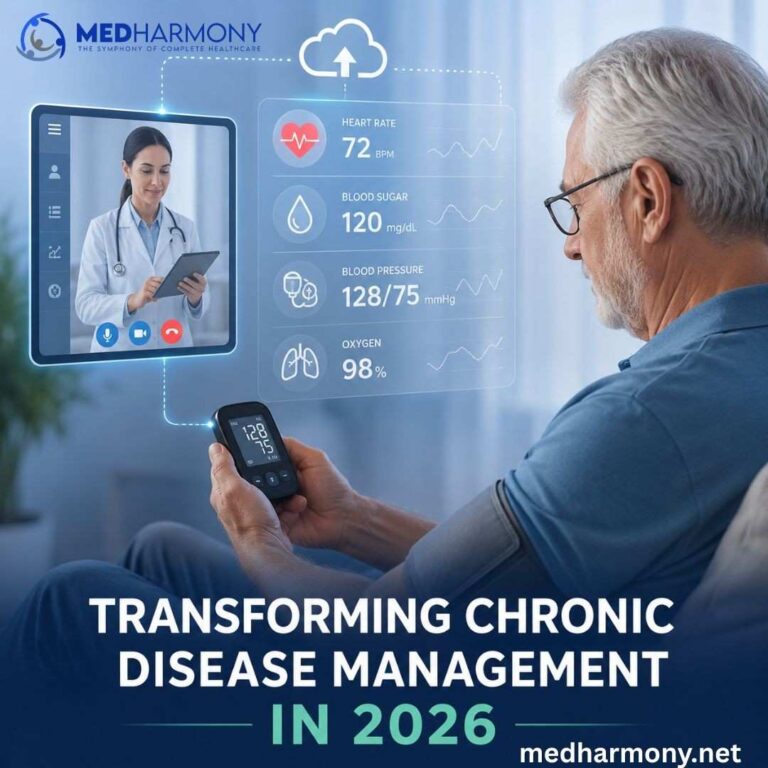
Remote patient monitoring (RPM) is a game-changer for operational efficiency. By tracking patient health remotely, practices can intervene early and prevent complications. This proactive approach reduces hospital visits and improves patient satisfaction.
One practice implemented RPM and saw a 25% reduction in emergency visits. This success stemmed from timely interventions and continuous health monitoring. RPM also allows practices to manage more patients without overwhelming staff.
MedHarmony offers seamless RPM integration, ensuring minimal disruption to existing workflows. For insights into RPM benefits, explore this article.
Population Health Analytics for Decision-Making
Population health analytics empowers practices to make informed decisions. By analyzing patient data, practices can identify trends and allocate resources efficiently. This data-driven approach ensures better care delivery and resource management.
Practices using analytics reported a 30% improvement in patient outcomes. They achieved this by targeting interventions where needed most. Analytics also aids in predicting patient needs, ensuring proactive care.
For those looking to harness the power of analytics, MedHarmony provides tailored solutions. Their expertise ensures you make the most of your data, driving better outcomes.
Engaging Patients for Better Results
Patient engagement is crucial for successful care delivery. Engaged patients are more likely to follow treatment plans and attend follow-ups. This leads to better health outcomes and reduced hospital visits.
One practice increased patient engagement efforts and saw a 20% reduction in no-shows. They achieved this by offering flexible appointment options and regular communication. Engaging patients fosters trust and improves satisfaction.
To enhance patient engagement, consider personalized care plans and regular check-ins. MedHarmony offers strategies to boost engagement, ensuring better outcomes for both patients and practices.
In conclusion, proactive care coordination is not just a strategy; it’s a necessity for modern healthcare. By focusing on closing care gaps, enhancing patient outcomes, and boosting financial performance, practices can thrive in today’s healthcare landscape. MedHarmony stands ready to support your journey, ensuring seamless integration and superior outcomes.