Seamless Integration, Stronger Outcomes: Operational Efficiency in Value-Based Care
Most value-based care programs stumble not because of clinical skill, but due to operational friction that drains your team’s time and focus. You know that closing care gaps and hitting CMS quality measures is critical, yet fragmented workflows and poor EHR integration slow progress and limit reimbursements. This post reveals how value-based care integration, when done right, smooths operations and drives stronger outcomes—helping your practice perform better while increasing revenue. For more insights on the importance of value-based operations, check out this article.
Enhancing ACO Performance

Improving your ACO’s performance isn’t just about clinical skills. It’s about making your operations as smooth as possible. Let’s dive into areas that can help you boost efficiency and outcomes.
Improving Operational Flow
Think of your ACO as a well-oiled machine. When all the parts work together seamlessly, you save time and resources. Focus on streamlining processes. Reduce redundant tasks and make sure everyone knows their role. This clarity leads to fewer errors and a more efficient operation.
Consider adopting digital tools that automate routine tasks. Automation can free up your team’s time so they can focus on what truly matters: patient care. You’ll find that as operations improve, so do your outcomes.
Reducing Care Gaps
Care gaps are more than missed opportunities—they impact your patients’ health and your bottom line. Identify these gaps by actively monitoring patient data. Use alerts to flag overdue tests or follow-ups.
When you address care gaps quickly, you keep patients healthier and improve your ACO’s metrics. It’s about being proactive rather than reactive. This proactive stance is where the real gains happen.
Boosting Value-Based Reimbursements
Getting the most out of value-based reimbursements requires a strategic approach. Focus on meeting quality measures and improving patient outcomes. The more you align with these goals, the better your reimbursement rates.
Regularly review your performance data. Look for trends or areas where you can make quick improvements. By staying on top of these metrics, you’ll maximize your earnings and enhance your financial stability.
Leveraging Care Coordination Services

Care coordination is crucial for ACOs aiming to excel. By using coordinated services, you can improve patient outcomes and streamline operations.
Effective EHR Integration
A well-integrated EHR system is the backbone of efficient healthcare delivery. It provides a single source of truth, ensuring all team members have access to the same information. This integration reduces errors and improves communication.
Invest in a user-friendly EHR system. Make sure it’s compatible with other tools you use. The easier it is to access and update patient records, the more time you save. This time can then be directed toward patient care and other important tasks.
Advancing Remote Patient Monitoring
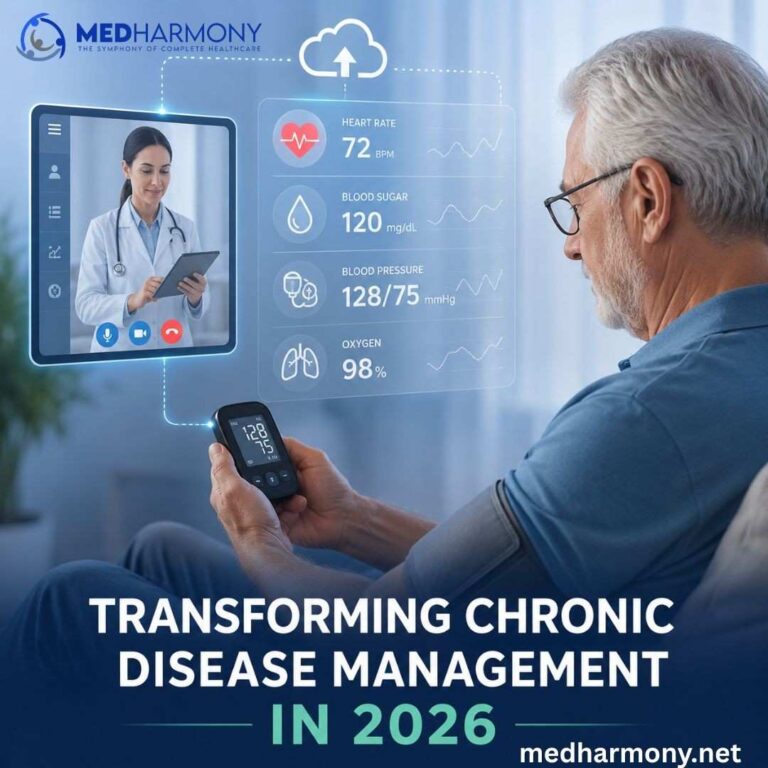
Remote patient monitoring (RPM) is a game-changer. It allows you to keep track of patients’ health without them needing to visit your office frequently. This not only increases patient satisfaction but also helps in early detection of potential health issues.
With RPM, you can offer personalized care plans. Tailor these plans to fit each patient’s specific needs. By doing so, you ensure more effective treatment and better health outcomes.
Supporting Chronic Care Management
Chronic care management (CCM) supports patients with long-term health conditions. It involves regular check-ins and personalized care plans. These efforts lead to better patient compliance and improved health outcomes.
Implementing a robust CCM program ensures patients receive the attention they need. It also reduces hospital readmissions, which can be costly. By focusing on chronic care, you not only help your patients but also enhance your practice’s financial stability.
Optimizing CMS Quality Measures

Meeting CMS quality measures is key to your ACO’s success. By focusing on specific strategies, you can improve your scores and reap the benefits.
Risk Stratification Techniques
Risk stratification helps you identify which patients need the most attention. By categorizing patients based on their health risks, you can allocate resources more effectively.
Use data analytics to refine your stratification process. The more precise you are, the better your care plans will be. This precision leads to improved patient outcomes and higher quality scores.
HCC Coding Support
Accurate HCC coding is critical for revenue. It ensures you receive appropriate reimbursements for the care provided. Regularly review coding practices to ensure accuracy and compliance.
Invest in training for your staff. By keeping them updated on coding changes, you minimize errors. Accurate coding not only maximizes reimbursements but also ensures compliance with regulations.
Advancing Patient Engagement Strategies
Engaged patients are healthier patients. Foster strong relationships through regular communication and personalized care plans. Encourage patients to take an active role in their healthcare journey.
Use technology to facilitate engagement. Patient portals and apps can keep communication lines open. The more involved your patients are, the better their health outcomes will be. This engagement directly impacts your CMS quality measures, boosting your scores and financial returns.
By focusing on these strategies, you position your ACO to thrive in a value-based care environment. Prioritizing operational efficiency and care coordination not only enhances patient outcomes but also maximizes your financial performance.