Effortless Value-Based Care: Best Practices for Seamless Implementation
Most value-based care programs stumble during rollout, leaving teams overwhelmed and workflows disrupted. You know the stakes: improving patient outcomes while capturing every reimbursement dollar demands precision and clarity. This guide breaks down best practices for value-based care implementation that fit your operation smoothly, so you gain better care coordination, quality measures improvement, and risk stratification without the usual headaches. Ready to transform complexity into a clear path forward? Learn more here.
Strategies for Value-Based Care Implementation
Navigating value-based care begins with strategies that seamlessly fit into your operation, reducing disruption and enhancing outcomes. Let’s explore the steps that lead to success.
Streamlined Care Coordination Techniques
Effective care coordination is the backbone of successful implementation. Start by identifying key team members and define their roles clearly. This clarity minimizes confusion and improves workflow. Invest in technology that facilitates communication, like secure messaging platforms, ensuring everyone is on the same page.
Regular team meetings can further enhance coordination. Use these sessions to discuss patient cases, share updates, and address any challenges. By maintaining an open line of communication, your team can quickly adapt to changes and maintain high standards of care.
Improving ACO Performance Metrics
Improving ACO performance metrics requires focusing on specific, measurable outcomes. Prioritize metrics that align with your organization’s goals, such as reducing hospital readmissions or increasing preventive care visits. By tracking these metrics, you can identify areas needing improvement and implement targeted strategies.
Use data analytics to gain insights into patient populations and tailor interventions accordingly. For example, if data shows a high rate of missed appointments, consider implementing reminder systems or transportation services. Small changes like these can lead to significant improvements in performance metrics.
Best Practices for FQHC Value-Based Care
Federally Qualified Health Centers (FQHCs) face unique challenges in value-based care. To succeed, focus on community engagement and patient education. Educating patients about their health conditions can empower them to take an active role in their care, leading to better outcomes.
Additionally, leverage partnerships with local organizations to provide comprehensive care. Collaborations can help address social determinants of health, such as housing or food insecurity, that impact patient well-being. By addressing these factors, FQHCs can improve patient satisfaction and health outcomes.
Enhancing Quality Measures and Outcomes

The path to enhanced quality measures involves addressing care gaps and optimizing coding practices. Here’s how you can improve outcomes effectively.
Effective Care Gap Management
Managing care gaps is crucial for improving health outcomes. Start by using electronic health records (EHR) to identify patients with overdue preventive services or chronic condition management needs. Systems like these allow for proactive outreach and timely interventions.
Engage patients through personalized communication, such as phone calls or emails, to remind them of upcoming appointments or necessary screenings. This targeted approach increases patient adherence to care plans, ultimately improving health outcomes. Learn more about closing care gaps.
Risk Stratification and HCC Coding
Risk stratification and Hierarchical Condition Category (HCC) coding are essential for accurate reimbursement and care planning. Begin by categorizing patients based on risk factors, such as age or chronic conditions, to prioritize care delivery.
Accurate HCC coding ensures appropriate resource allocation and reimbursement. Train staff regularly on coding updates to maintain compliance and maximize revenue. Proper coding not only benefits your practice financially but also supports better patient management.
EHR Integration for Quality Improvement
Integrating EHR systems can significantly enhance care coordination and quality improvement. Choose systems that streamline information sharing across departments, reducing duplication and errors.
Use EHR analytics to track quality measures over time. This data helps identify trends and areas needing improvement, guiding targeted interventions. By leveraging technology, you can enhance care delivery and patient satisfaction. Discover more about EHR systems.
Boosting Patient Engagement and Financial Results
Engagement is key to both patient satisfaction and financial success. Let’s explore strategies that benefit both patients and your practice.
Chronic Care Management and Remote Monitoring
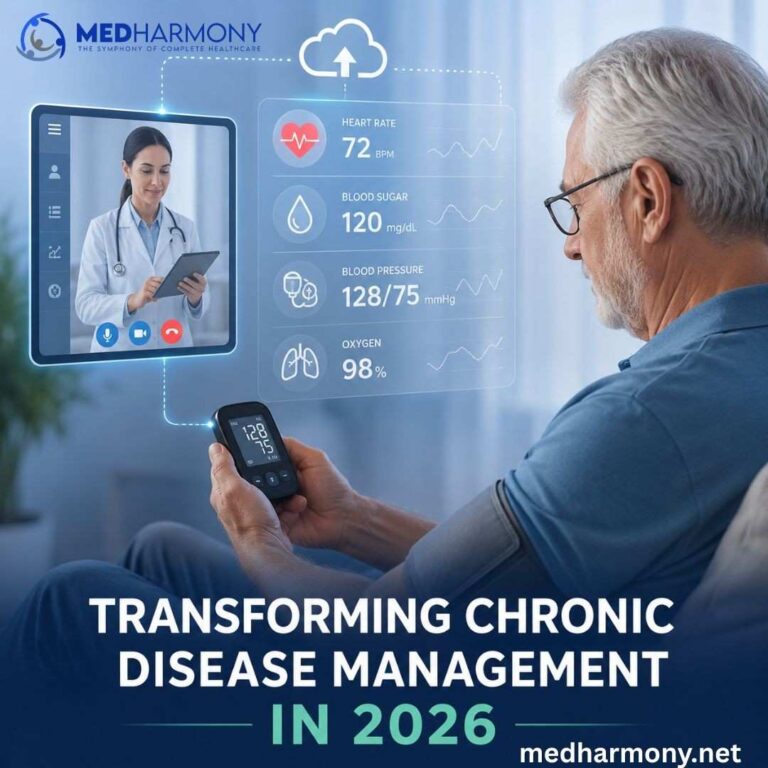
Chronic care management (CCM) paired with remote monitoring can transform patient engagement. By offering remote monitoring, patients feel connected to their care team even outside the clinic, leading to better adherence to treatment plans.
CCM programs provide continuous care and support, which is particularly beneficial for patients with complex health needs. This ongoing relationship builds trust and improves health outcomes, while also enhancing practice revenue through additional reimbursement opportunities. Explore the benefits of CCM.
Behavioral Health and Transitional Care Management
Integrating behavioral health with transitional care management addresses both mental and physical health needs, ensuring a holistic approach to patient care. Begin by incorporating behavioral health screenings during routine visits.
Collaboration between behavioral health specialists and primary care providers ensures comprehensive care plans. These efforts reduce hospital readmissions and improve overall patient well-being, resulting in better clinical and financial performance.
Optimizing Reimbursement and Performance Metrics
Optimizing reimbursement involves aligning performance metrics with value-based contracts. Focus on achieving high scores in quality measures that directly impact reimbursement.
Regularly review contracts and performance data to identify opportunities for improvement. Engaging a dedicated partner like MedHarmony can provide insights and support for continuous performance optimization, ensuring sustainable success in value-based care. Learn more about performance metrics.
In conclusion, implementing value-based care is about more than just meeting metrics. It’s about transforming patient care into a seamless, effective process that enhances both patient and financial outcomes. Ready to take the next step? Transform complexity into clarity with these proven strategies.