

How Advanced Analytics Drive Continuous Performance Optimization in Value-Based Care
Most healthcare leaders know that improving outcomes while managing costs feels like chasing a moving target. Advanced analytics in healthcare are changing that by delivering continuous performance optimization across quality, cost, and patient engagement. With MedHarmony’s value-based care analytics, your team can spot care gaps, refine workflows, and boost reimbursements month after month—without overloading your staff. Let’s explore how these insights can reshape your ACO performance improvement starting today. For further insights, you can check this resource.
Leveraging Advanced Analytics in Healthcare

Let’s dive into how advanced analytics are transforming healthcare. With the right tools, you can enhance patient care and streamline costs. The key is using data to make informed decisions.
Empowering Care Coordination Solutions
Imagine having a tool that helps you see exactly where your care processes need improvement. Advanced analytics can do just that. By analyzing patient data, you can identify gaps in care and address them before they become issues. This means better outcomes for patients and more efficient care coordination. For example, tracking patient follow-ups ensures they receive the care they need, reducing the risk of readmissions.
When you use data-driven insights, you’re not just guessing on care strategies; you’re making informed choices that lead to real improvements. This approach helps your staff focus on patient care instead of paperwork. And most people think analytics are complicated, but with the right support, they can be straightforward and effective.
Driving ACO Performance Improvement
Advanced analytics play a crucial role in boosting ACO performance. By examining detailed metrics, you can pinpoint areas for improvement. For instance, data can reveal which interventions lead to the best patient outcomes. This allows you to implement changes that are evidence-based and effective.
Many assume that performance improvements require significant resources, but analytics enable you to optimize with what you have. This means better clinical outcomes without straining your budget. The longer you wait to adopt these tools, the more opportunities you miss for improvement. Engaging with analytics now ensures you’re ahead of the curve.
Continuous Performance Optimization Strategies

To truly harness the power of advanced analytics, it’s important to focus on continuous performance optimization. This is about refining processes and improving outcomes consistently over time.
Quality Measure Optimization Techniques
One effective strategy is optimizing quality measures. By using analytics, you can monitor key indicators like HEDIS and MIPS scores. This helps you understand where you stand and what needs attention. For example, if your diabetes management score is low, analytics can guide you to specific areas needing improvement.
Regularly reviewing these scores ensures you’re always moving in the right direction. Many believe that maintaining high scores is a one-time effort, but continuous monitoring is essential. It’s not just about meeting standards, it’s about exceeding them consistently. This proactive approach leads to sustained improvements in patient care.
Enhancing Patient Engagement Analytics
Patient engagement is another area where analytics shine. By tracking patient interaction data, you can tailor your approach to meet their needs. For instance, if data shows low engagement in remote monitoring, you can adjust your strategy to be more patient-friendly.
This personalized approach results in higher satisfaction and better health outcomes. Most people think patient engagement is simply about more communication, but it’s about meaningful interaction. By understanding patient preferences and behaviors, you can foster a more effective and satisfying patient experience.
Value-Based Care Analytics and Reimbursement
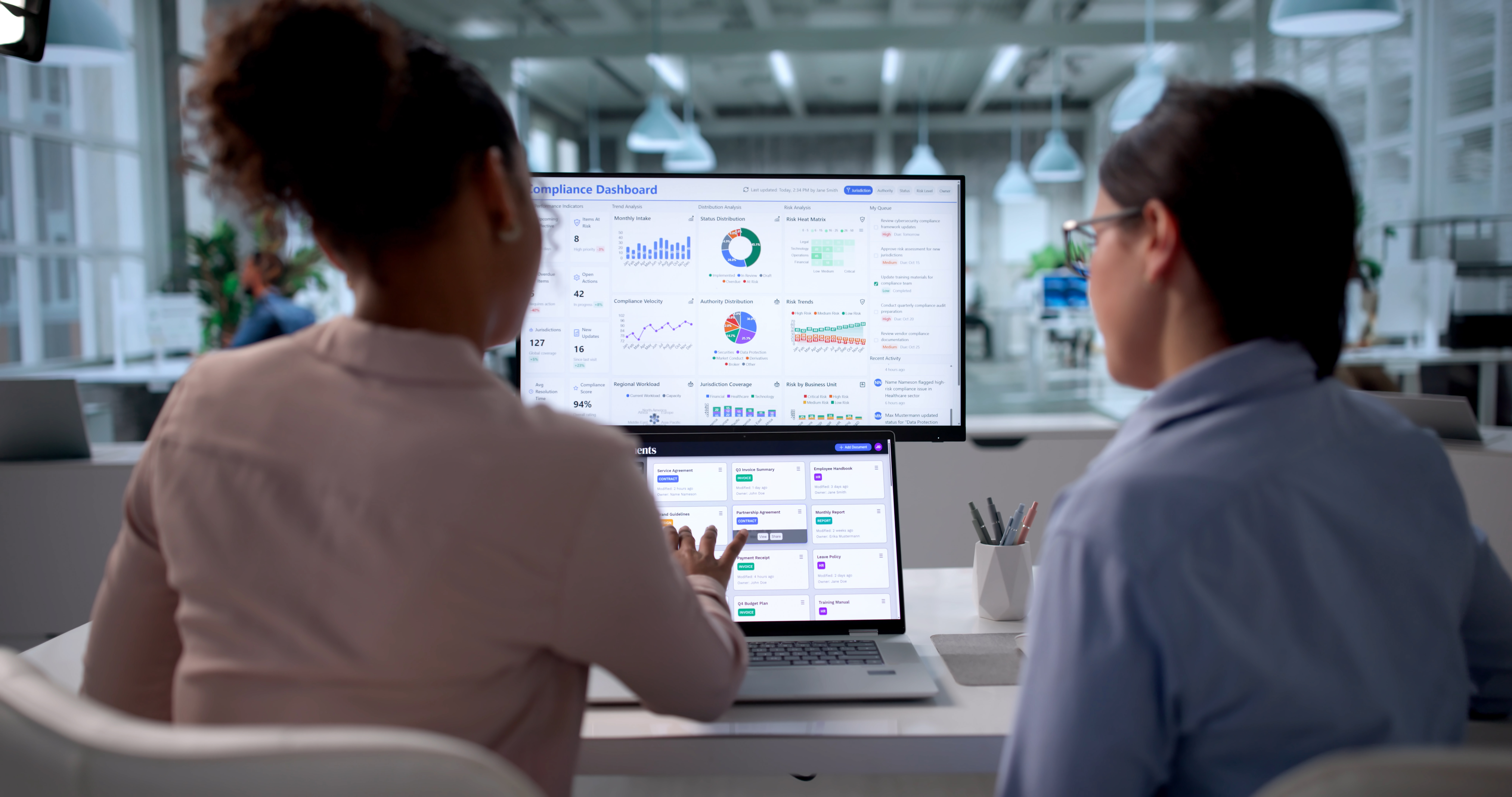
Analytics not only improve care but also enhance financial performance. By focusing on value-based care, you can optimize reimbursements.
Risk Stratification Models for Better Outcomes
Risk stratification models are invaluable in assessing patient needs. By categorizing patients based on risk, you can allocate resources more effectively. This means high-risk patients receive the attention they need, while low-risk patients are monitored efficiently.
These models ensure you’re not over or under-treating, leading to better outcomes and optimized resource use. It’s a common misconception that risk models are complex, but they can be simple and intuitive with the right support. Implementing these models leads to improved patient outcomes and financial savings.
MedHarmony’s Approach to Care Gap Closure
MedHarmony focuses on closing care gaps through targeted strategies. By using advanced analytics, we identify where care is lacking and implement solutions to address these gaps. This involves everything from optimizing workflows to enhancing communication between healthcare teams.
This method not only improves patient care but also boosts financial performance through better reimbursements. Many healthcare providers struggle with care gaps, but with MedHarmony’s approach, these challenges become opportunities for improvement. By addressing care gaps proactively, you’re setting the stage for long-term success in your healthcare practice.
For more information on performance optimization in healthcare, you can explore this article.
