
Care coordination often feels like a maze that slows down your team instead of helping it. You’re tasked with boosting quality metrics and closing care gaps, yet operational chaos creeps in with every new process. What if care coordination could drive value-based care success without overwhelming your staff? This post reveals how streamlined, data-driven strategies support ACO performance while simplifying workflows—offering a clear path to better patient engagement and improved reimbursements. For more insights on value-based care, visit here.
The Power of Care Coordination
Effective care coordination can transform how healthcare teams operate, driving better outcomes while minimizing chaos and confusion. Imagine a streamlined approach that not only meets quality metrics but enhances patient care and team efficiency.
Elevating Value-Based Care Models
Improving care doesn’t have to be overwhelming. By focusing on what’s important, you can make significant strides in patient outcomes and financial performance. Value-based care models thrive on efficient coordination: they rely on clear communication and shared goals among healthcare providers. Improved coordination means better patient follow-up, fewer missed appointments, and more comprehensive care plans. When everyone is on the same page, patients benefit from consistent care, reducing the risk of complications and hospital readmissions. The secret lies in breaking down barriers within care teams and ensuring everyone is informed and engaged.
Streamlining ACO Performance Metrics
Accountable Care Organizations (ACOs) can boost their performance by honing in on specific metrics that matter most. In value-based care, success depends on measuring the right things and acting on that data. By focusing on key performance indicators like patient satisfaction and care gap closure, ACOs can ensure they’re hitting their targets. Data-driven decisions enable teams to prioritize actions that have the most impact. This approach not only improves patient care but also enhances reimbursement rates and shared savings, contributing to the overall sustainability of the organization.
Simplifying Operations with Data-Driven Insights
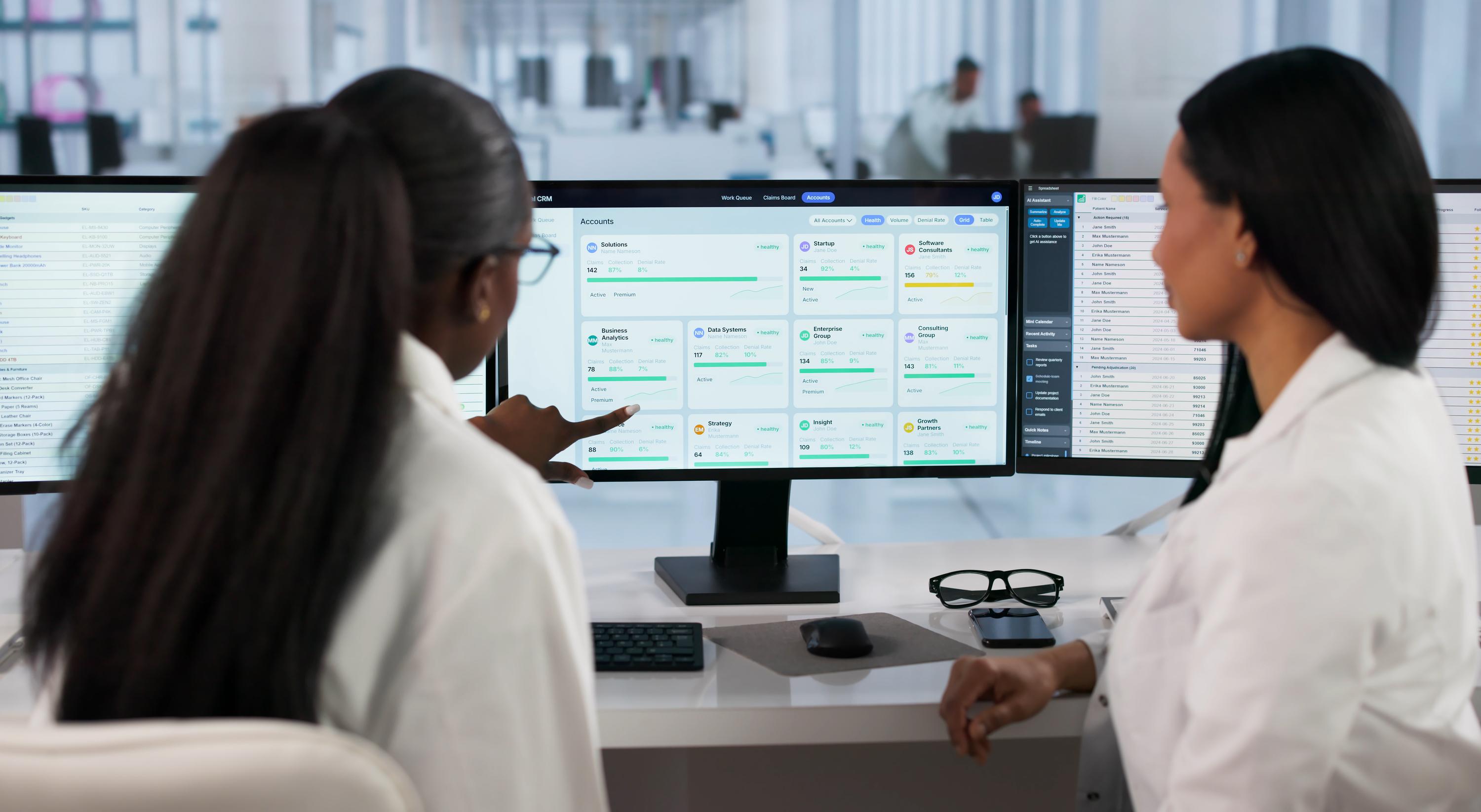
Streamlining operations begins with understanding the data at your fingertips. This information is crucial for making informed decisions that improve patient care and reduce administrative burdens.
Enhancing Patient Engagement and Care Gap Closure
Patient engagement is central to closing care gaps and improving outcomes. With a focus on understanding individual patient needs, healthcare providers can tailor their approach, ensuring each patient receives personalized care. Utilizing data-driven insights allows for the identification of high-risk patients who may need additional support. This proactive approach ensures that care gaps are addressed before they become significant issues, leading to better health outcomes and increased patient satisfaction. By focusing on patient engagement, you create a more connected and responsive healthcare environment.
Improving Reimbursements through Risk Stratification
Risk stratification is a powerful tool for enhancing reimbursement potential. By categorizing patients by their level of risk, healthcare providers can allocate resources more effectively, ensuring high-risk patients receive the attention they need. This strategic allocation not only improves patient outcomes but also optimizes billing processes. When resources are used efficiently, the result is a more profitable operation with better financial stability. By understanding patient needs and risk levels, healthcare teams can deliver targeted interventions that boost overall performance.
MedHarmony: Your Partner in Care Management

MedHarmony stands by your side as a trusted partner, ready to guide you through the complexities of care management with expert insight and seamless support.
Harnessing EHR and Workflow Integration
Integration is key to reducing chaos in healthcare settings. MedHarmony excels in creating seamless transitions between electronic health records (EHR) and daily workflows. By ensuring that all systems communicate effectively, healthcare providers can access vital patient information quickly and accurately. This level of integration reduces errors and improves the efficiency of care delivery. With MedHarmony, you can expect a smooth implementation process that minimizes disruption and maximizes productivity.
Achieving Quality Metrics and Shared Savings
Quality metrics are the cornerstone of accountability in healthcare. MedHarmony helps organizations achieve these metrics through streamlined processes and clear communication strategies. By focusing on what matters most, healthcare teams can drive improvements in patient care and secure shared savings. This approach not only benefits patients but also enhances the financial performance of the organization. With MedHarmony as your partner, you can confidently navigate the complexities of value-based care and achieve your goals.
Frequently Asked Questions
What is care coordination, and why is it important in value-based care?
Care coordination involves organizing patient care activities and sharing information among all participants concerned with a patient’s care. It’s essential in value-based care because it ensures that patients receive comprehensive and coordinated care, which leads to better outcomes and reduces healthcare costs.
How can data-driven insights improve patient engagement?
Data-driven insights allow healthcare providers to identify specific patient needs and preferences. By tailoring care plans based on this data, providers can engage patients more effectively, leading to increased satisfaction and adherence to care plans.
What role does risk stratification play in improving reimbursements?
Risk stratification helps healthcare providers identify patients who are at higher risk for poor outcomes. By focusing resources on these patients, providers can prevent complications and improve outcomes, leading to higher quality scores and better reimbursement rates.
How does MedHarmony support EHR and workflow integration?
MedHarmony specializes in creating seamless transitions between electronic health records (EHR) and daily workflows, ensuring that healthcare providers can access vital patient information efficiently. This integration reduces errors and improves care delivery.
Why is achieving quality metrics crucial for healthcare organizations?
Achieving quality metrics is essential for healthcare organizations because it demonstrates accountability and commitment to high standards of care. Meeting these metrics leads to improved patient outcomes and can result in financial incentives, such as shared savings in value-based care models.
