
From Data to Daily Decisions: How RPM Powers a Connected Chronic Care Strategy
Remote patient monitoring is no longer just an add-on—it’s the backbone of connected chronic care strategies that drive real results. If your care teams juggle scattered data and missed opportunities, RPM healthcare offers a direct line to timely interventions and smoother workflows. In this post, you’ll see how integrating RPM with CCM and BHI workflows sharpens risk stratification, boosts patient engagement, and unlocks reimbursement pathways—all while positioning MedHarmony as your trusted partner to make it happen. For more insights, visit this resource.
Integrating RPM into Chronic Care

Unlocking the power of remote patient monitoring (RPM) begins with integrating it into chronic care strategies. This section explores how RPM reshapes care delivery for chronic conditions.
Enhancing Care Coordination
Imagine a world where your care team operates with precision and clarity. RPM makes this a reality. By continuously collecting patient data, it enables real-time monitoring. This data-driven approach supports timely interventions, reducing the number of missed opportunities.
Consider the benefits: Your team can proactively manage care gaps, ensuring that patients receive the attention they need, when they need it. This not only improves patient outcomes but also enhances workflow. When data is streamlined, your team spends less time on administrative tasks and more time focusing on patient care. This approach empowers healthcare providers to make informed decisions quickly.
Most people think that traditional methods suffice, but integrating RPM proves otherwise. It offers a seamless connection between patients and providers, enhancing care delivery. The longer you wait to adopt such technology, the more care gaps may widen.
Improving ACO Performance
How does RPM impact Accountable Care Organizations (ACOs)? It’s a game-changer. With RPM healthcare, ACOs not only improve patient care but also optimize performance metrics.
RPM provides ACOs with vital data, helping them track quality measures more effectively. This data assists in identifying trends and making informed decisions that elevate care levels and operational efficiency. In addition, ACOs can better manage chronic conditions, which leads to improved patient satisfaction scores.
By employing RPM, ACOs can meet and exceed quality benchmarks, paving the way for greater financial rewards. As a result, organizations see increased reimbursements, aligning with value-based care objectives. It’s not just about data; it’s about using it to transform care delivery.
RPM Healthcare and Value-Based Care
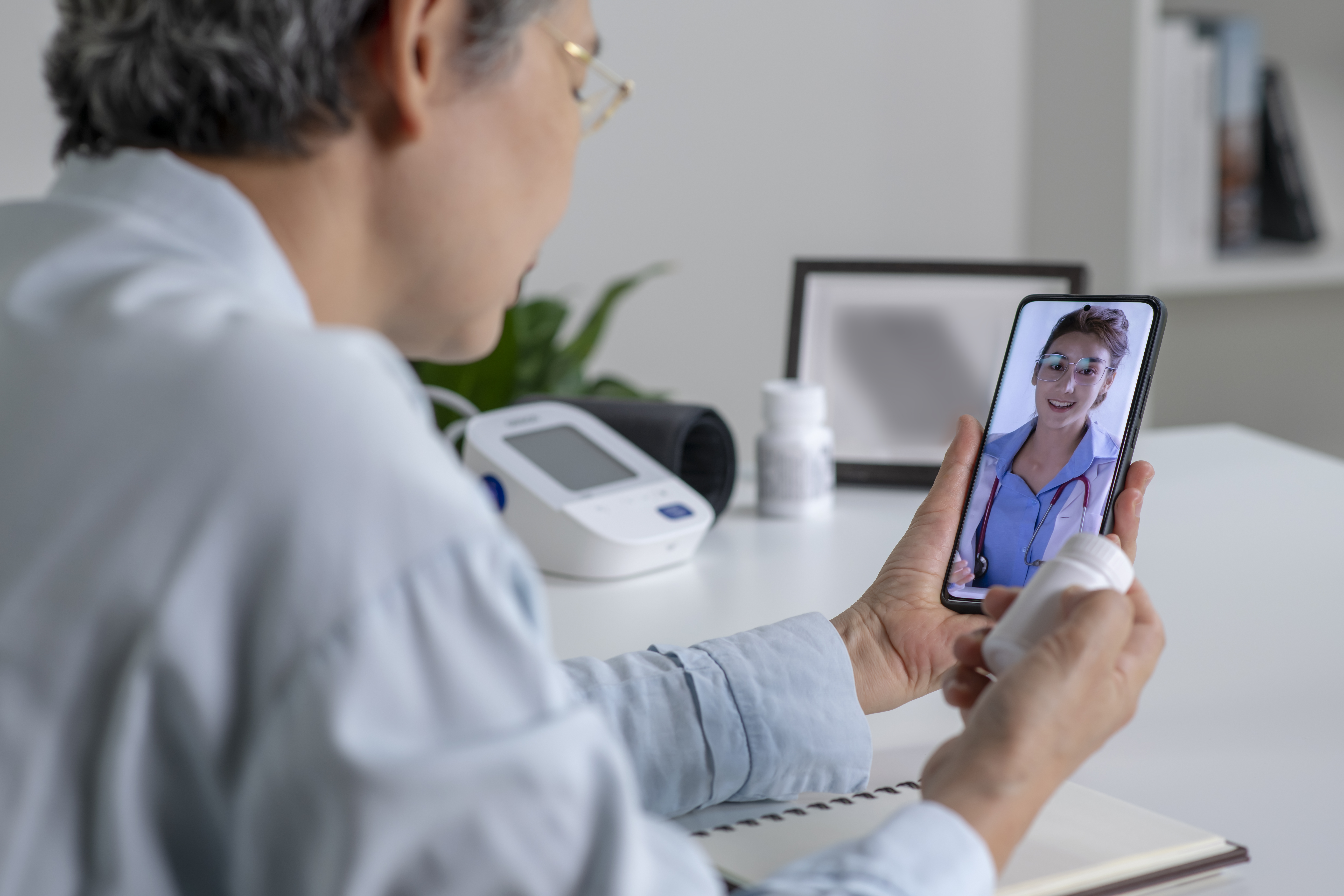
The shift towards value-based care makes RPM indispensable. Here, we discuss how it influences reimbursement and patient engagement.
Impact on Reimbursement Optimization
Reimbursement is crucial, and RPM is a valuable asset in this area. It offers a clear path to optimizing reimbursement opportunities through accurate data collection and monitoring. By providing consistent patient data, RPM ensures that all care activities are documented, allowing practices to claim reimbursements efficiently.
Take the example of CPT 99457: This code supports reimbursement for remote monitoring services. With RPM, practices can confidently submit claims, knowing they have the necessary data to back them up. This not only maximizes revenue but also supports operational sustainability.
In a world where many struggle with declining reimbursements, RPM offers a beacon of hope. Practices that adopt this technology can expect to see a positive shift in revenue streams, enhancing financial performance.
Quality Measures and Patient Engagement
Patient engagement is at the heart of value-based care. RPM plays a significant role in improving this engagement by providing patients with tools to monitor their health. This empowers patients, encouraging them to take an active role in their care.
Quality measures improve as well, thanks to the continuous flow of patient data. Providers can monitor health trends and intervene when necessary, reducing the risk of complications. This proactive approach leads to better health outcomes and higher patient satisfaction rates.
Contrary to popular belief, patient engagement is not just about communication. It’s about creating an interactive healthcare experience where patients feel involved and informed. RPM achieves this by providing patients with real-time data and insights.
MedHarmony’s Role in Connected Care

MedHarmony stands as a pillar of support in the world of connected care. Here’s how we integrate RPM with existing workflows.
CCM and BHI Workflow Integration
Integrating chronic care management (CCM) and behavioral health integration (BHI) with RPM is crucial for comprehensive care. MedHarmony excels in weaving these elements into a unified workflow.
Our solutions ensure that CCM and BHI are seamlessly integrated, allowing for smooth data flow and communication. This integration supports care teams in delivering holistic care tailored to each patient’s needs. By addressing both chronic and behavioral health conditions, we ensure a well-rounded approach to patient management.
Many believe integration is complex, but with MedHarmony, it’s straightforward. We handle the intricacies, so your team can focus on patient care without disruptions. Our expertise guarantees a seamless transition, reducing the burden on your staff.
EHR and Risk Stratification Solutions
Electronic Health Records (EHR) are vital for effective care delivery. At MedHarmony, we integrate RPM with EHR systems to enhance risk stratification. This integration allows for more accurate patient assessments and targeted interventions.
By leveraging EHR data, we empower care teams to identify at-risk patients early. This proactive approach supports better decision-making and improves patient outcomes. Our solutions also streamline administrative tasks, freeing up time for clinicians to focus on care delivery.
Risk stratification is not just a process; it’s a strategy for success. With MedHarmony, you have a partner that understands the importance of accurate data and efficient workflows. Our approach ensures that your team is equipped with the tools needed to succeed in a value-based care environment.
In conclusion, incorporating RPM into a chronic care strategy offers significant opportunities for improving care coordination, optimizing reimbursements, and enhancing patient engagement. MedHarmony is here to support your journey, offering solutions that simplify complexities and improve outcomes.
