
How Remote Patient Monitoring Fits Into a Connected Chronic Care Strategy
Remote patient monitoring is no longer an add-on—it’s central to connected chronic care strategies that ACOs and FQHCs can’t afford to miss. If your team struggles with care coordination or maximizing value-based reimbursements, integrating RPM with chronic care management and behavioral health integration offers a clear path forward. Let’s explore how this approach can reduce readmissions, close care gaps, and improve quality measures while positioning your practice for sustained success. Learn more about developing remote patient monitoring strategies here.
Integrating Remote Patient Monitoring

Remote Patient Monitoring (RPM) is revolutionizing how chronic care is managed today. By incorporating RPM, medical practices and healthcare organizations are not only enhancing patient care but also strengthening their financial performance.
Benefits of RPM in Chronic Care
RPM offers numerous advantages in chronic care management. Patients experience better health outcomes due to continuous monitoring, which allows for timely interventions. For healthcare providers, RPM means more efficient use of resources and improved patient engagement. A 2022 study highlighted that 75% of healthcare providers saw improved chronic condition management through RPM. This approach also supports better reimbursement rates through value-based care models, making it a win-win for all involved.
Key Components of RPM Programs
Successful RPM programs consist of a few critical components. First, reliable technology is essential, such as devices that track vital signs like blood pressure and glucose levels. Next, a seamless integration with electronic health records (EHRs) ensures that monitored data is readily available. For example, using HL7 FHIR standards can facilitate this process. Finally, clear communication and education for both patients and healthcare providers strengthen the effectiveness of RPM. Ensuring everyone understands how to use the monitoring tools correctly is crucial.
Addressing Common RPM Challenges
Despite its benefits, RPM does come with challenges. One significant barrier is technology adoption among older patients. To overcome this, training programs can be tailored to different user groups. Connectivity issues also pose a problem, particularly in rural areas. Providers might consider alternative data collection methods or offline solutions in these cases. Lastly, privacy concerns can be mitigated through robust data security measures, ensuring patients feel safe sharing their health data.
Building a Connected Chronic Care Model

Integrating RPM with other healthcare strategies is key to creating a connected chronic care model. This approach not only improves patient outcomes but also enhances operational efficiencies within healthcare organizations.
Merging RPM, CCM, and BHI
Combining RPM with chronic care management (CCM) and behavioral health integration (BHI) forms a comprehensive care model. This fusion allows for a holistic approach to patient care. It ensures that physical health, mental health, and overall well-being are addressed. For instance, RPM can track mental health indicators alongside physical health metrics, providing a complete picture of a patient’s health status.
Enhancing Care Coordination and Engagement
Care coordination is vital for managing chronic conditions effectively. RPM aids in this by keeping healthcare teams informed and engaged. For example, automated alerts can notify providers of abnormal readings, prompting quick interventions. This level of connectivity keeps patients engaged too; they are more likely to adhere to health plans when they know their data is being actively monitored and responded to.
Reducing Readmissions and Total Cost
Reducing hospital readmissions is a major goal for any healthcare organization. With RPM, early signs of deterioration can be detected and managed, preventing unnecessary hospital visits. By doing so, organizations can lower their total costs of care. A case in point is a study showing a 20% reduction in readmissions through effective RPM use.
MedHarmony’s Role in Chronic Care Strategy
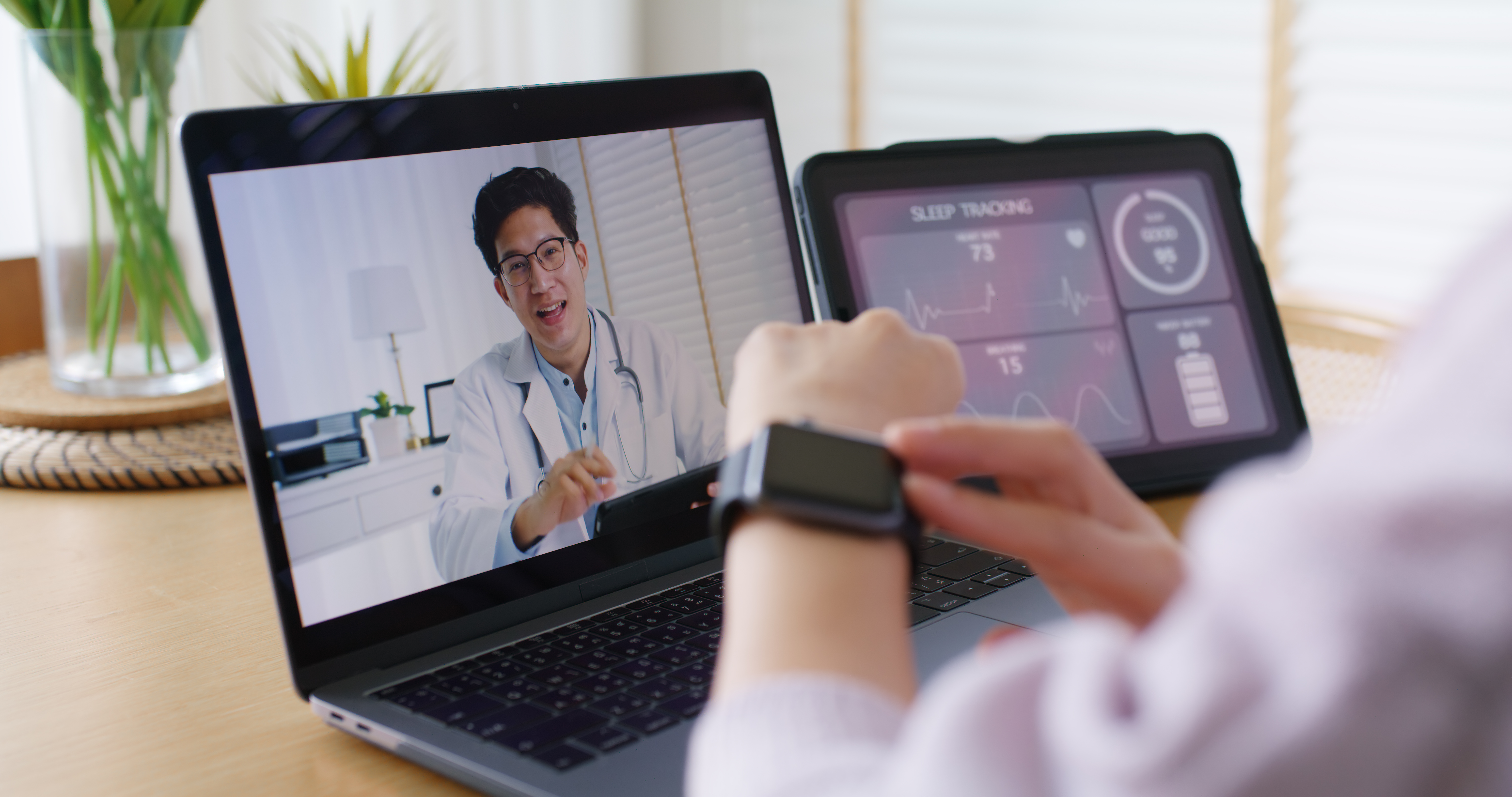
MedHarmony plays a pivotal role in implementing and optimizing chronic care strategies for healthcare providers. As a trusted partner, MedHarmony offers tailored solutions to meet each organization’s unique needs.
MedHarmony’s Comprehensive Approach
MedHarmony’s approach to chronic care is thorough and supportive. From the initial implementation of RPM to ongoing performance optimization, MedHarmony ensures that healthcare providers can focus on patient care rather than operational hurdles. The company’s expertise in integrating value-based care models is unmatched, making it an ideal partner for any healthcare organization looking to enhance its chronic care management.
Real-World Success Stories
Many healthcare organizations have already seen success with MedHarmony’s solutions. For example, a regional healthcare network reduced its readmission rates by 30% after partnering with MedHarmony. These results demonstrate the tangible impact that a well-implemented RPM strategy can have on patient care and financial outcomes.
Getting Started with MedHarmony
For healthcare providers eager to improve patient outcomes and maximize reimbursements, partnering with MedHarmony is a strategic choice. By leveraging MedHarmony’s expertise, organizations can navigate the complexities of care coordination with ease. With MedHarmony, you’ll be equipped to manage patient care more effectively, leading to both improved health outcomes and financial performance. Ready to enhance your chronic care strategy? Explore how MedHarmony can help your organization thrive in a value-driven healthcare landscape.
